Famous For: Mzima Springs, Shetani Lava Flow, rhinos, scenic landscapes
Ecosystem: Mountain ridges, volcanic hills, lava flows, swamps, woodlands
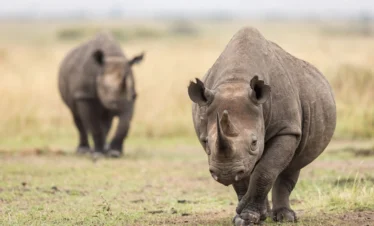
Key Wildlife: Elephants, black rhinos, lions, leopards, hippos, crocodiles, kudu, buffaloes, over 600 bird species
Introduction
Tsavo West National Park offers one of the most diverse and dramatic landscapes in all of Kenya. While its twin, Tsavo East, is known for sweeping plains, Tsavo West is a park of contrasts—lush oases and jagged lava flows, forested hills and sun-baked savannahs, and wildlife both abundant and elusive.
Covering about 9,065 square kilometers, Tsavo West is a magnet for travelers who crave adventure and raw natural beauty. It’s also part of the greater Tsavo Conservation Area, a crucial wildlife corridor for elephants and other large mammals in southeastern Kenya.
Geographic Location and Accessibility
Tsavo West lies in southeastern Kenya, bordering Tsavo East to the east and Tanzania to the south. It is:
About 250 km from Nairobi
Around 200 km from Mombasa
Close to the town of Mtito Andei, which serves as a major entrance point
The Mtito Andei and Chyulu Gates are the most commonly used for access. The park also connects easily with Amboseli to the northwest, making it perfect for safari circuits.
Best Time to Visit
June to October – Dry Season (Best)
Vegetation is thinner, making wildlife easier to spot.
Roads are dry and passable.
Excellent views, fewer mosquitoes.
January to February – Dry and Warm
Another great window for safaris.
Good wildlife visibility and fewer tourists than in peak months.
March to May – Long Rains
The park becomes lush and green.
Excellent birding opportunities, but some roads may become difficult.
November to December – Short Rains
Scenic beauty is enhanced.
Wildlife is still visible near permanent water sources.
Wildlife in Tsavo West
Tsavo West is a fantastic park for those who love a mix of scenery and wildlife, even though the thick bush can sometimes make spotting animals more challenging than in the open plains of other parks.
1. Elephants
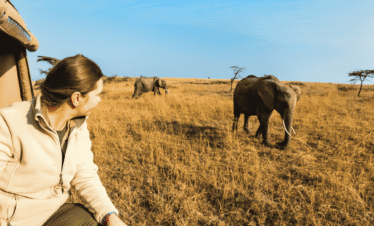
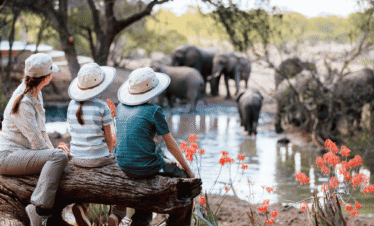
Large herds are seen around watering holes and near Mzima Springs.
Tsavo elephants are often tinged red from the local soil, like their Tsavo East cousins.
2. Black Rhinos
Tsavo West is home to the Ngulia Rhino Sanctuary, a protected area where visitors can see endangered black rhinos.
Over 80 rhinos are currently protected in this sanctuary.
3. Big Cats
Lions, leopards, and cheetahs roam the park, although they can be elusive due to thick vegetation.
Leopards are often sighted around rocky outcrops and forested areas.
4. Herbivores
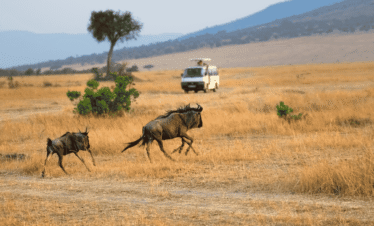
Buffaloes, giraffes, zebras, hippos, and wildebeests.
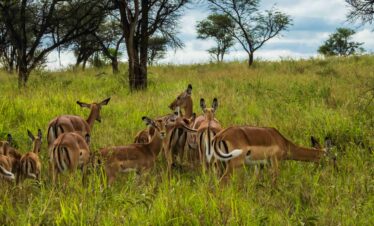
Antelope species like lesser kudu, eland, dik-dik, and klipspringer thrive in the park’s varied terrain.
5. Birds
Over 600 bird species have been recorded here, making it a birdwatcher’s paradise:
African finfoot
Verreaux’s eagle
Narina trogon
Fischer’s starling
Secretary bird
Migratory birds between October and April
Landscapes and Natural Features
Tsavo West boasts some of the most scenic terrain in East Africa, a highlight for photographers and nature lovers.
1. Mzima Springs
A crystal-clear oasis fed by underground water from Chyulu Hills.
Home to hippos, crocodiles, fish, and water birds.
Has an underwater viewing chamber to observe hippos and fish.
2. Shetani Lava Flow
A vast black lava field formed 500 years ago by volcanic eruptions.
“Shetani” means “devil” in Kiswahili, referring to local legends surrounding the area.
3. Chaimu Crater
A volcanic hill formed from ash, accessible for hiking and panoramic views.
Offers a striking contrast of black soil and surrounding green bush.
4. Roaring Rocks
A large rock formation offering stunning views over the park and Kilimanjaro on clear days.
Named after the wind that howls around it.
5. Ngulia Hills
Rugged highlands in the western section of the park.
A hotspot for leopard sightings and migratory bird trapping for research.
Safari Activities in Tsavo West
Game Drives: Early morning and late afternoon are best. Wildlife is most active, and the lighting is perfect for photography.
Rhino Tracking: Visit the Ngulia Rhino Sanctuary for a guided rhino-spotting experience.
Nature Walks: Conducted in safe zones with armed rangers.
Birdwatching: Especially around Mzima Springs, Ngulia Hills, and Chyulu Gate.
Hiking: Trails around Chaimu Crater and Roaring Rocks offer a different perspective of the park.
Accommodation Options
Tsavo West features a wide range of lodges, tented camps, and public campsites catering to all budgets.
Luxury: Kilaguni Serena Safari Lodge – Stunning views of Mount Kilimanjaro and a busy waterhole
Mid-Range & Budget: Ngulia Safari Lodge – Popular with birders, especially during migratory seasons
Voyager Ziwani Camp: Located near the Tsavo River, offering a quieter safari experience
Conservation and Community Involvement
Conservation in Tsavo West focuses on:
Protecting black rhinos
Elephant corridor preservation
Anti-poaching patrols
Community partnerships with the Taita and Maasai people aim to promote sustainable tourism while preserving culture and wildlife.
Projects include:
Local guides and rangers
Cultural bomas (villages) for visits
Revenue-sharing programs with surrounding communities
Getting There
By Road: 4–5 hours from Nairobi or Mombasa via the A109 highway
By Air: Several airstrips including Kilaguni, Kamboyo, and Ziwani offer connections from Nairobi and other parks
Combining Tsavo West with Amboseli, Tsavo East, or even the coastal beaches makes for an unforgettable safari circuit.
Conclusion
Tsavo West National Park is a park of wonders. Whether you’re watching hippos glide in the clear pools of Mzima Springs, climbing ancient volcanic craters, or tracking black rhinos in the sanctuary, this park is an untamed treasure of Kenya.
It’s less crowded than the more famous reserves, but that’s what makes it even more special—wild, raw, and real. If you seek a safari off the beaten path, with unforgettable views and hidden gems around every turn, Tsavo West is where your journey should lead.
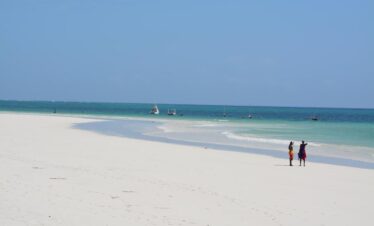
Welcome to an exciting journey that takes you from the pristine Kenyan coastal beaches to the vast wilderness of Kenya’s largest national park. This carefully...
Your unforgettable safari adventure begins in the world-renowned Masai Mara National Reserve, one of Africa’s most iconic wildlife destinations. This expansive wilderness is famed for...
Indulge in the ultimate wildlife experience—a captivating journey that takes you deep into the heart of nature’s most magnificent and untamed realms. This extraordinary adventure...