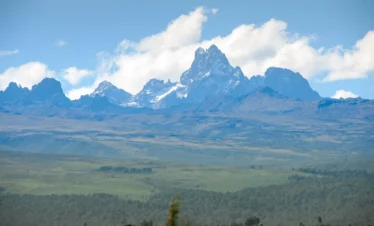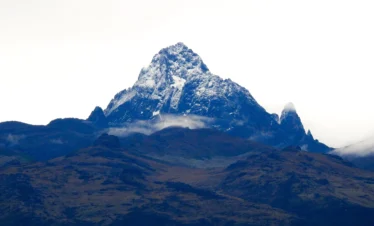
Mount Kenya National Park is a UNESCO World Heritage Site that offers a striking contrast to the savannahs and deserts found elsewhere in Kenya. Towering over the central highlands, Mount Kenya is Africa’s second-highest peak (5,199 meters) and is revered both for its ecological importance and spiritual significance.
The park protects the glacial slopes, alpine meadows, and forested lower regions of the mountain. It’s a dream destination for trekkers, climbers, and lovers of high-altitude biodiversity.
Geographic Location and Accessibility
Mount Kenya is located approximately:
175 km north of Nairobi (about 3–4 hours by road)
Close to towns such as Nanyuki and Meru
There are several access gates: Sirimon, Naro Moru, and Chogoria being the most popular for hikers. Roads are generally accessible by standard vehicles up to the park gates, though a 4WD is preferable in the wet season.
Best Time to Visit
January to February and August to September – Dry Seasons
The best periods for trekking and climbing, with more stable weather and clearer mountain views.
March to June and October to December – Wet Seasons
Trails can be muddy and slippery, but the landscape is lush and vibrant. Not ideal for summiting.
Wildlife in Mount Kenya National Park
Though not a classic safari destination, the park has surprising wildlife diversity:
1. Elephants and Buffaloes
Roam the lower forested slopes, often seen along the Chogoria and Sirimon routes.
2. Leopards and Hyenas
Elusive predators that dwell in the forest zones and are occasionally spotted by hikers.
3. Giant Forest Hogs and Elands
Common in the moorland and forest edges.
4. Unique Highland Species
Tree hyraxes, rock hyraxes, and bushbucks are among the more localized mammals.
5. Birds
Birdlife includes:
Scarlet-tufted malachite sunbird and Tacazze sunbird
Jackson’s francolin, turacos, and bearded vultures
Species adapted to high-altitude habitats
Landscapes and Natural Features
Mount Kenya’s dramatic landscape is shaped by ancient glaciers and volcanic activity.
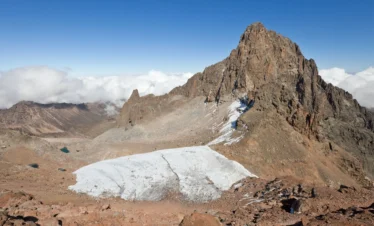
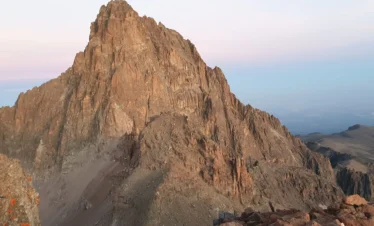
1. Glaciers and Snow Peaks
Peaks such as Batian, Nelion, and Lenana rise above permanent snow and ice. Point Lenana (4,985 m) is the most accessible for trekkers.
2. Alpine Meadows and Moorlands
Giant lobelias, groundsels, and heathers dominate this zone. It’s otherworldly and beautiful.
3. Dense Forest and Bamboo
Lower slopes are cloaked in thick forests that host large mammals and hundreds of plant species.
Safari Activities in Mount Kenya
The park is best known for hiking and alpine adventures:
Trekking: Multi-day treks via Naro Moru, Chogoria, or Sirimon routes
Climbing: Technical climbs to Batian and Nelion for experienced climbers
Camping: Designated campgrounds at various elevations
Scenic Photography: Glaciers, cliffs, valleys, and sunrise views
Accommodation Options
Mountain Huts: Sirimon route huts, Mackinder’s Camp, and Austrian Hut serve trekkers
Serena Mountain Lodge: Located in the forest zone, offering comfort and wildlife viewing
Nearby Hotels: In Nanyuki, Meru, and other towns for pre/post-trek stays
Public Campsites: Affordable options for hikers on a budget
Conservation and History
UNESCO World Heritage Site: Recognized for biodiversity and cultural importance
Sacred to Kikuyu People: Believed to be the home of their god, Ngai
Critical Watershed: Feeds major rivers such as the Tana and Ewaso Nyiro
Cultural Significance
Mount Kenya holds spiritual value for the Kikuyu, Embu, and Meru communities. Many face their homes toward the mountain and hold ceremonies in its honor.
Getting There
By Road: Nairobi to Nanyuki, Meru, or Chogoria; good tarmac roads until park gates
By Air: Charter flights to Nanyuki or private airstrips near lodges
Mount Kenya can be combined with trips to Ol Pejeta Conservancy, Samburu, Laikipia Plateau, or Aberdare National Park.
Conclusion
Mount Kenya is a majestic natural wonder — a place where glaciers meet the equator, and every step brings new altitude, ecosystems, and vistas. Whether you’re climbing to its icy peaks or exploring forest trails, the park offers an unforgettable highland experience steeped in adventure and spirituality.
Quick Facts
Location: Central Kenya, straddling the equator
Size: 715 km² (core park area)
Best Time: January–February, August–September
Famous for: Mountaineering, snow-capped peaks, trekking