
Location: Various villages across Kenya (e.g., Maasai Mara, Lake Turkana, Lamu) Best Time to Visit: Year-round, depending on region Famous For: Rich cultural diversity and immersive village experiences Ecosystem: Savannahs, lakeshores, coasts, highlands Key Sights: Traditional homesteads, dances, crafts, oral storytelling, cooking demonstrations
Introduction
A safari in Kenya is not just about the wildlife and landscapes; it is also a profound opportunity to connect with the people whose lives, traditions, and histories are intricately intertwined with the land. Cultural visits to local communities offer travelers the chance to step into authentic Kenyan life, gaining deeper insights into time-honored customs, arts, cuisine, and values that have shaped this nation for generations. Meeting the Maasai, Samburu, Turkana, Swahili, and other communities enriches a safari with human stories that are just as captivating as any big game encounter.
What is a Cultural Visit?
A cultural visit is an excursion where guests are welcomed into local villages or homesteads to experience everyday life, traditional practices, and cultural heritage firsthand. These visits vary in length — from a 1–2 hour village tour to full-day immersive programs, and even multi-day cultural stays in some areas.
A guided tour of the village or boma (homestead)
Demonstrations of traditional crafts, dances, music, and ceremonies
Explanations of cultural customs, history, and daily life
Opportunities to participate in activities such as cooking, beadwork, or herding
Interaction with elders, women’s groups, artisans, and children
Best Places in Kenya for Cultural Visits
Maasai Villages (Maasai Mara, Amboseli, Laikipia): Meet one of Africa’s most iconic pastoralist communities, known for their bright red shukas (robes), intricate beadwork, and semi-nomadic cattle-herding lifestyle.
Samburu Villages (Samburu National Reserve, Sarara Camp): Related to the Maasai but distinct in culture and dress, the Samburu are famed for their colorful jewelry, storytelling, and wildlife coexistence practices.
El Molo and Turkana Villages (Lake Turkana): Visit Kenya’s smallest ethnic group, the El Molo, who are traditional fishermen on the shores of the jade-colored lake. Nearby, the Turkana people maintain vibrant traditions in a harsh desert landscape.
Swahili Coastal Communities (Lamu, Mombasa, Kilifi): Experience the rich Swahili culture, a blend of African, Arab, Persian, and Indian influences, visible in architecture, cuisine, music, and dhow-building.
Kikuyu and Kamba Communities (Central Kenya, Ukambani): Discover Kenya’s largest ethnic group and their terraced farms, as well as Kamba woodcarvers known for intricate sculptures.
Pokot and Tugen Villages (Baringo region): Engage with pastoralist communities who practice traditional salt mining and cattle keeping, set amid Rift Valley escarpments.
What You’ll Experience During a Cultural Visit
Welcoming Ceremony: Most visits start with a warm welcome — often traditional songs, dances, or greetings in the local language. You may be invited to join in dancing or clapping as an icebreaker.
Village Tour: Your guide, usually a village member fluent in English and/or Swahili, will show you around:
Huts and homesteads (e.g., Maasai enkangs made of mud and cow dung)
Cattle kraals, communal meeting places, and market areas
Demonstrations of fire-making, beadwork, cooking, or medicinal plant use
Cultural Performances and Storytelling: Sit with elders or youth groups to hear oral histories, folklore, and legends that explain community origins and traditions. Some visits may include warrior jumping displays, marriage ceremony reenactments, or music performances using traditional instruments like drums, flutes, and nyatiti (lyre).
Handicrafts and Markets: Many communities showcase their handicrafts, giving visitors the chance to observe artisans at work and purchase souvenirs.
Beadwork (Maasai and Samburu necklaces, bracelets, belts)
Wood carvings (Kamba animal sculptures, masks)
Textiles (Swahili kikoys and kangas)
Basket weaving (Pokot and Taita baskets)
Participatory Activities: Depending on the village, you might join:
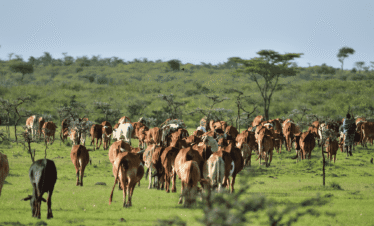
Milking cows or herding goats with pastoralists
Cooking traditional dishes (e.g., ugali, sukuma wiki, or Swahili pilau)
Learning beadwork or dancing alongside locals
Harvesting crops in farming communities
Responsible and Ethical Cultural Tourism
Authenticity and respect are key. The best cultural visits are community-led, ensuring that interactions are genuine, hosts are fairly compensated, and tourism supports local livelihoods.
Look for experiences arranged through:
Community conservancies (e.g., Mara Naboisho, Ol Lentille)
Cultural bomas certified by Kenya Tourism Board
Lodges that have direct partnerships with nearby villages
Travelers should observe cultural sensitivity:
Always ask permission before taking photographs.
Dress modestly (especially in conservative communities).
Engage openly but respectfully — remember you are a guest.
Your participation often directly contributes to education, healthcare, conservation, and women’s empowerment projects within the community.
What to Bring
Cash for handicraft purchases (local currency is best)
Notebook or journal (for jotting down interesting stories)
Camera (with consent for photos)
Small gifts (optional; school supplies or useful items are appreciated — avoid sweets or plastic trinkets)
Sample Cultural Visit Itinerary (Maasai Village, Maasai Mara)
9:00 am: Depart lodge for village (30-minute drive)
9:30 am: Arrive, welcomed by singing and dancing
10:00 am: Village tour — visit homesteads, kraal, and school
11:00 am: Participate in beadwork and storytelling session with women’s group
12:00 pm: Visit craft market to purchase beadwork souvenirs
12:30 pm: Return to lodge for lunch
For deeper experiences, some community conservancies offer overnight cultural stays, where guests sleep in traditional-style huts and fully engage in daily life.
Why Cultural Visits are Unmissable
Cultural visits open a window into Kenya’s soul. Meeting the people who have lived harmoniously with wildlife for centuries deepens appreciation of conservation efforts and human resilience. The warmth of Kenyan hospitality, the color and vibrancy of traditions, and the exchange of stories and smiles leave lasting impressions that transcend language and background.
For travelers seeking more than just wildlife sightings, cultural visits offer meaningful human connections — making the safari not just a journey through nature, but a journey into the heart of Kenya itself.
Quick Facts
Location: Maasai Mara, Lake Turkana, Lamu, Central Kenya
Best Time: Year-round
Duration: 1 hour to multi-day stays
Includes: Village tour, cultural demos, artisan visits
Nairobi Full-Day City Safari Tour – Wildlife, Conservation & Culinary Experience Experience the best of Nairobi in just one day with this immersive and diverse...
Embark on an unforgettable 10-day journey through two of Africa’s most iconic safari destinations—Kenya and Tanzania. This carefully crafted itinerary combines breathtaking landscapes, world-renowned wildlife...